
The Titan Yachts yard has been buzzing with activity this week as two of our custom sportfishing yachts continue through crucial stages of construction. In Week 1, we focused on hull preparation, fuel tank installation, and the arrival of our faux teak specialist. This week, the momentum increased significantly as Hull #14 began transforming with its first layers of teak grain, while Hull #16 advanced deeper into mechanical layout, plumbing integration, and the early stages of interior framework.
For those following our Behind the Build series, this week showcases exactly what sets Titan Yachts craftsmanship apart: technical precision, methodical system planning, and a commitment to artistry rarely seen in today’s yacht building process.
Hull #14 – Faux Teak Painting Process Begins
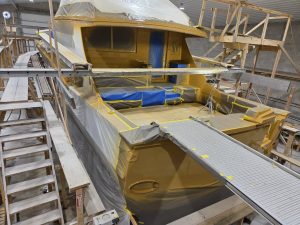
With all surface areas fully sanded, cleaned, and primed during Week 1, Hull #14 has officially entered the faux teak painting phase, one of the most visually impactful stages in the entire yacht building process.
The First Layers: Glazing and Base Texture
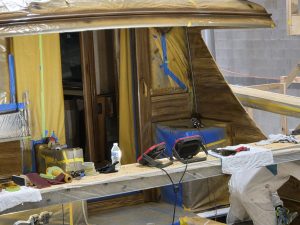
Our specialist faux wood painter began applying the first of several glazing coats this week. These layers form the foundation of the realistic teak appearance. Unlike basic paint applications, faux teak finishes require a multi-step layering system that replicates the depth, warmth, and grain variations of natural teak wood.
The previously applied yellow base coat now serves as the undertone for the teak grain. It’s precisely matched to the painter’s specifications so that the final result achieves the correct balance of contrast and warmth.
Creating the Teak Grain: Tools, Techniques, and Detail
Once the initial glazing dried to the correct tack level, our painter began forming the grain patterns using a combination of:
- Specialty graining brushes
- Fine-detail artist brushes
- Marine-grade glazing mediums
- Grain combs for natural linear texture
- Micro-bristle fanning tools to simulate fine wood fibers
Each tool adds a different layer of character, from broad grain patterns to subtle knots and organic streaks. Every pass must be timed perfectly; glazing compounds have strict open times, meaning the painter works in controlled sections to maintain consistent blending and depth.
Evaluating Under Multiple Light Sources
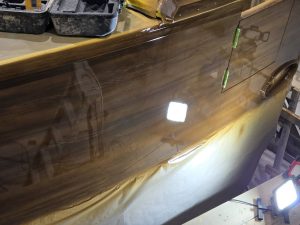
One of the most critical steps in faux teak finishing is examining the fresh grain under various lighting angles—natural daylight, shop lights, and direct spot illumination. Wood grain reacts differently under changing conditions, and this review ensures a uniform appearance across large surface areas.
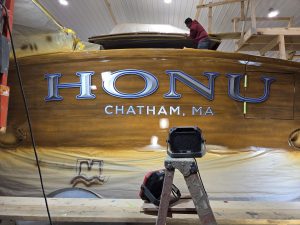
By the end of Week 2, Hull #14’s faux teak finish is already showing incredible realism. The next stages will include shadow detailing, mid-tone enhancements, and final clear coat sealing in the weeks ahead.
Hull #16 – Mechanical Room Progress and Plumbing Integration
While Hull #14 is undergoing its aesthetic transformation, Hull #16 is pushing forward with major mechanical and structural advancements. This week was dedicated to system layout, plumbing routing, and engine room preparation, all vital steps in custom sportfishing yacht construction.
Fuel Line Routing & Mechanical Layout
After last week’s successful cockpit fuel tank installation, the team began routing the fuel lines through their designated channels. Precision here is non-negotiable. Fuel lines must:
- Follow engineered routing paths
- Maintain proper distance from heat sources
- Stay accessible for future maintenance
- Be secured with marine-grade clamps and supports
Each segment is pressure-tested to ensure fuel flow reliability and leak prevention.
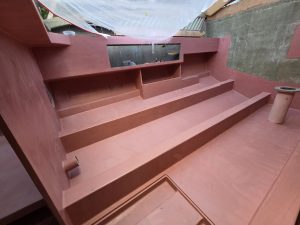
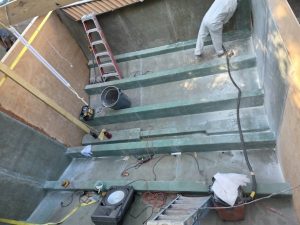
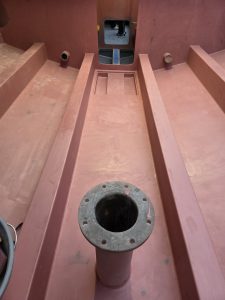
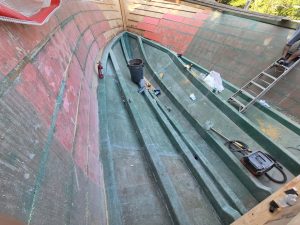
Freshwater, Graywater & Drainage Plumbing
Forward plumbing systems are also taking shape. This includes:
- Freshwater supply lines
- Tank-to-system graywater paths
- Overboard drainage lines
- Pump mount placements and vibration-isolation pads
Routing accuracy and structural integration are essential for quiet operation offshore—a priority in every Titan Yachts build.
Motor Room Preparation
This week also included:
- Structural reinforcement for engine beds
- Alignment checks for future engine drop-in
- Clearance verification for filters, pumps, and accessories
- Planning pathways for wiring harnesses and ventilation ducts
The engine room is the heart of a high-performance sportfishing yacht. Every decision made now—from where a pump sits to how a hose bends—affects future serviceability, vessel balance, and long-term performance.
Beginning the Interior Build – Framing and Structural Planning
With major mechanical systems underway, Hull #16 has also begun its interior framework build, an exciting milestone where the vessel’s living spaces start to take shape.
Bulkheads & Support Structure
The carpentry team began positioning the interior bulkheads and building structural support frames. Each bulkhead:
- Contributes to overall hull rigidity
- Defines room boundaries
- Supports cabinetry and interior features
- Helps reduce vibration and noise transfer
Titan Yachts emphasizes structural quietness—a premium feature in custom yachts—so the framing process includes strategic sound-dampening measures.
Layout Framing for Future Interior Spaces
Early-stage framing now outlines the:
- Galley
- Salon
- Staterooms
- Head compartments
- Companionways and storage areas
As this framing continues in Week 3, the interior will progress from open space to a defined, functional layout ready for wiring, HVAC ducts, insulation, and cabinetry.
Craftsmanship & Coordination – The Titan Yachts Difference
This week showcased the coordination between artists, mechanical technicians, engineers, and carpenters. The faux teak painter’s artistry complements the mechanical precision taking place just one hull over. At Titan Yachts, these crafts do not operate in isolation—they move in measured sequence to reflect our commitment to producing the highest-caliber custom sportfishing yachts anywhere on the water.
From teak grain realism to engine room accessibility and interior structure, every detail reflects the core principles that define Titan Yachts craftsmanship.
Looking Ahead to Week 3
Next week’s update will focus on:
- Continuing the faux teak transformation on Hull #14
- Preparing the faux surfaces for their upcoming clear coat layers
- Advancing mechanical systems in the motor room of Hull #16
- Beginning electrical harness runs and HVAC routing
- Further progress on interior framing and structural supports
More photos, more details, and more behind-the-scenes insights await as these vessels move closer to their final form.